Sustainable Handmade
Sustainable Handmade_Today more than ever, the clothes and furnishing accessories we use are not just aesthetic elements, but everyday values that can make all the difference.
DAPHNÉ Sanremo is aware of the importance of increasingly ethical and transparent fashion to reduce our impact on the environment and respect the nature.
SAVOIR FAIRE & INNOVATION
Sustainable Handmade to represent inclusive values began with the study of ancient ways of dressing, by combining these learnings with the demands of a modern and ethic lifestyle.
-
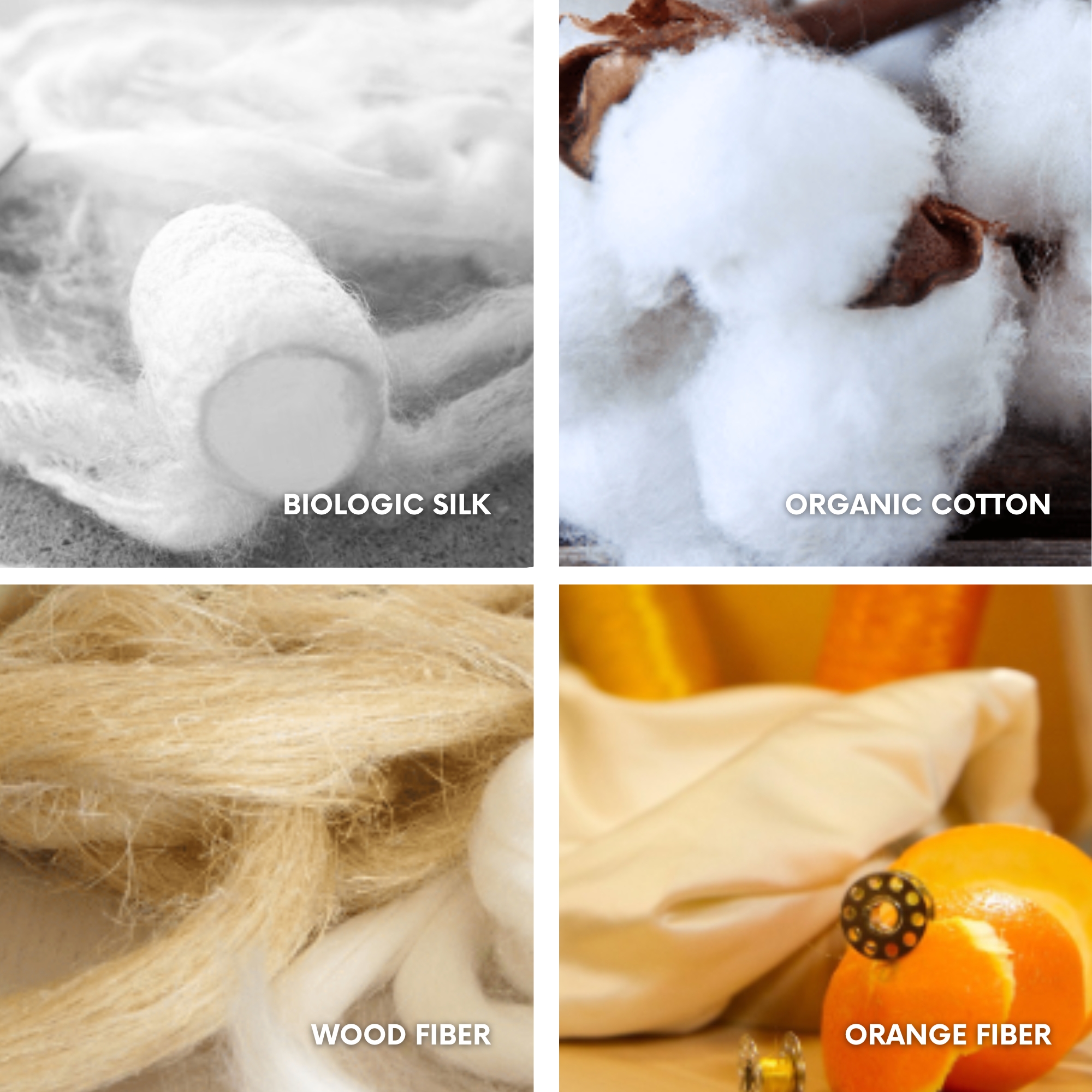
the preciousness of silk fabric, made from silkworms fed only on untreated mulberries
-
Organic cotton that has not been treated with chemicals (NO OGM) and allows it to be certified GOTS (Global Organic Textile Standard)
-
Vegetable wood fiber, 100% made from off-cuts of poplar and beech processing
-
Orange Fiber from the waste from the pressing of oranges and lemons, the peels are processed and turned into cellulose for textiles, which mixed with silk, linen, or cotton yields innovative fabrics
RESEARCH FOR AN IDEAL PRODUCTS
Experience guarantees safety, excellence and beauty, but it offers something more: “the opportunity to customise and create something unique”.
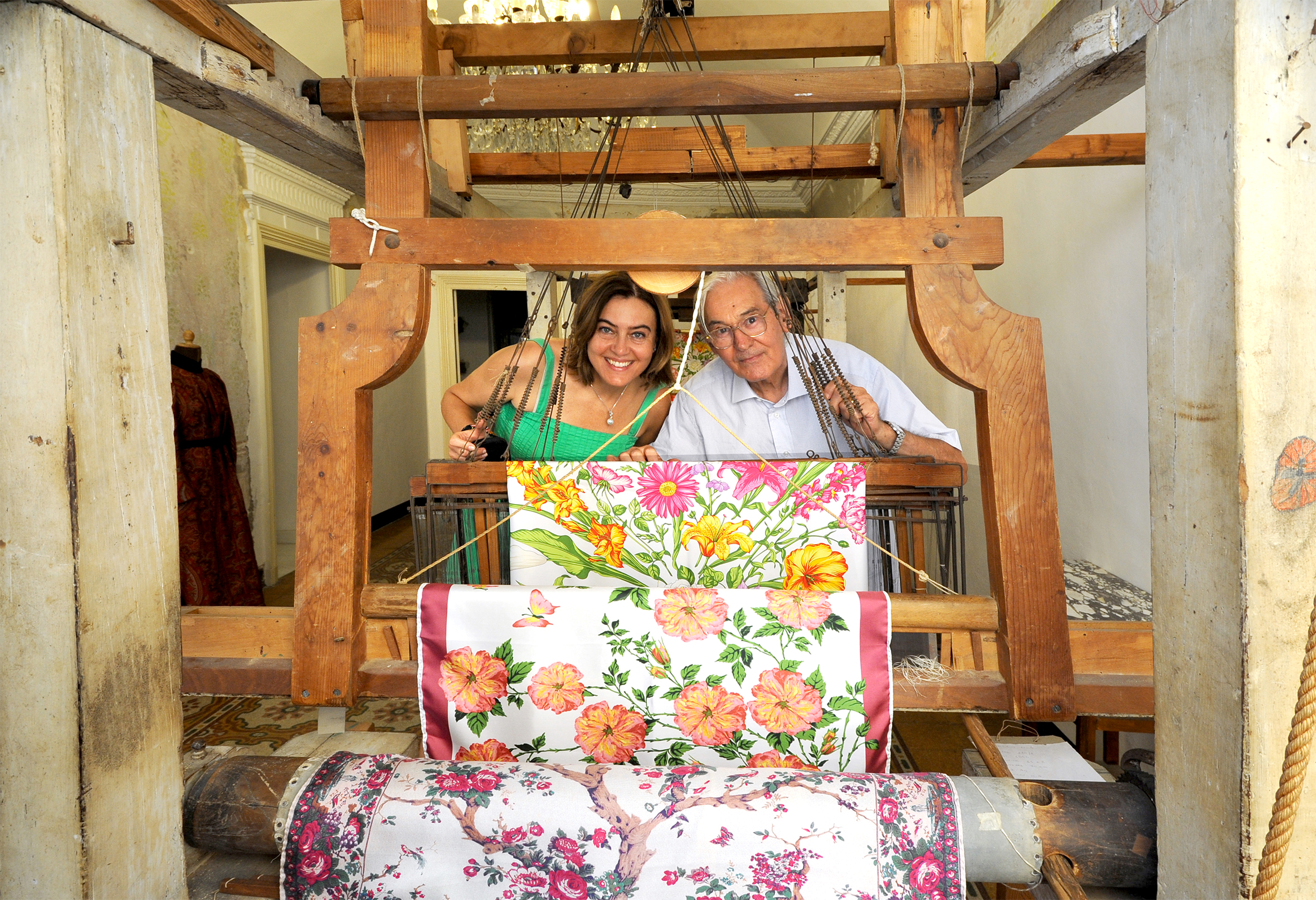
DAPHNÉ Atelier offers its clients a complete customisation service on the whole range of products for companies and privates.
This is how a service, product, logo and values are translated into the form of stylistic and sartorial art.
We produce everything in Italy, rely on skilled craftsmen, use AZO-free prints and recycle waste materials to reduce environmental impact.
We support a local production chain creating a virtuous circle to build together a future of fashion that is ethical, sustainable and inclusive.
Creating custom, sustainable fabric furnishings tailored to clients’ needs is crucial for reducing environmental impact while offering personalized, eco-friendly solutions that enhance comfort, style, and longevity, aligning with conscious consumer demand and responsible production practices.